
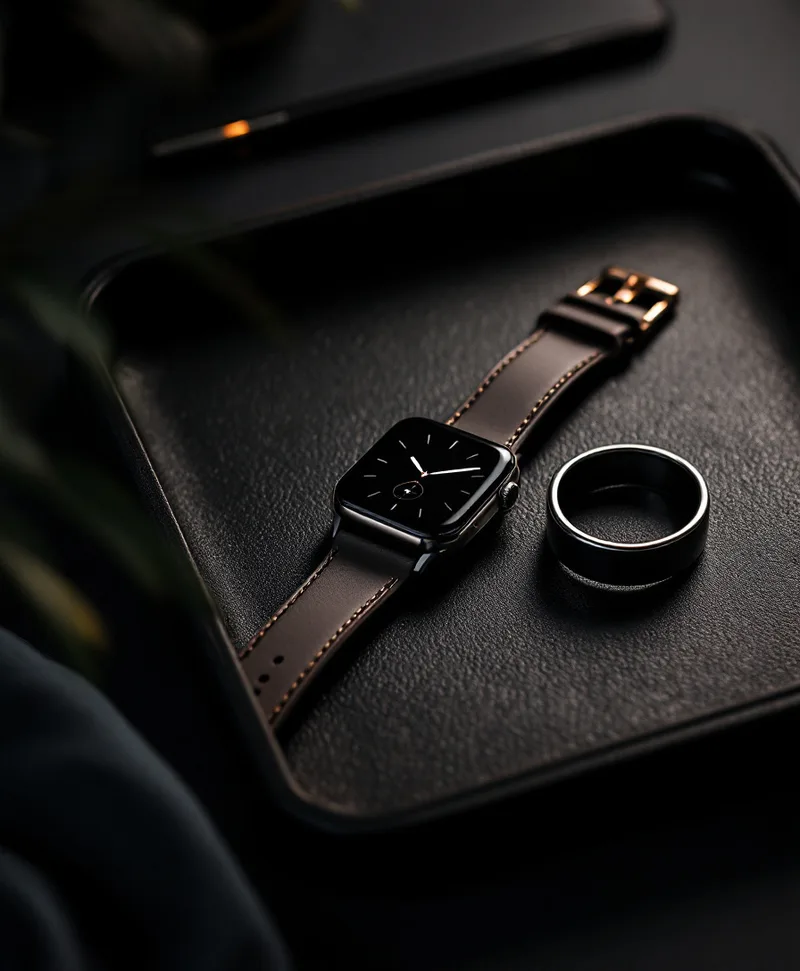
I'd skip it
Google Pixel WatchGave the highest calorie figure at 2,393, and he singled it out as the least trustworthy of the four.
Google
Gave the highest calorie figure at 2,393, and he singled it out as the least trustworthy of the four.
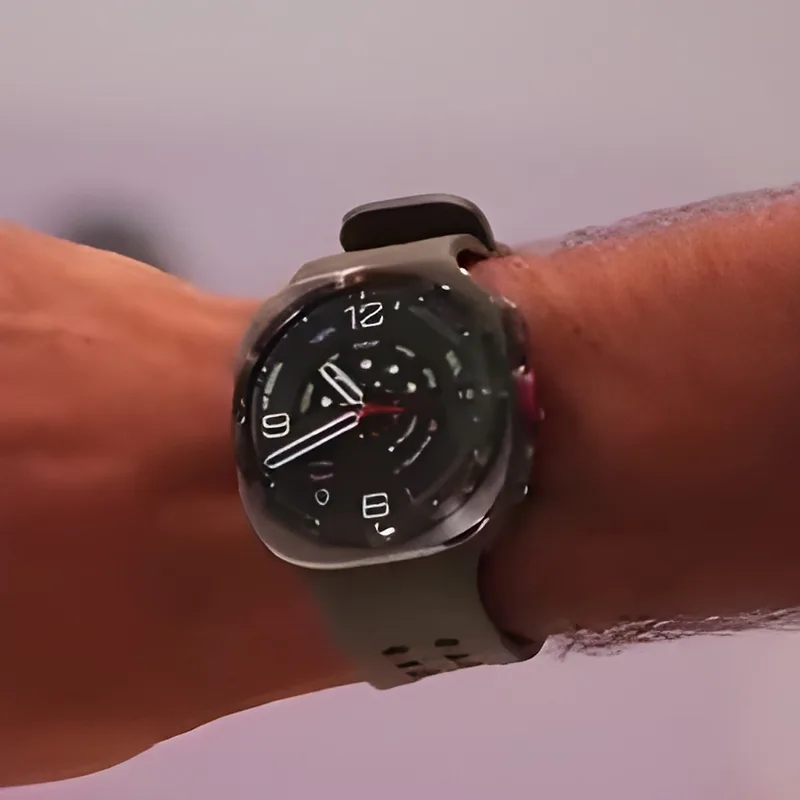
A strong upgrade with a faster chip that fixes the lag, a bigger battery and useful new health features.
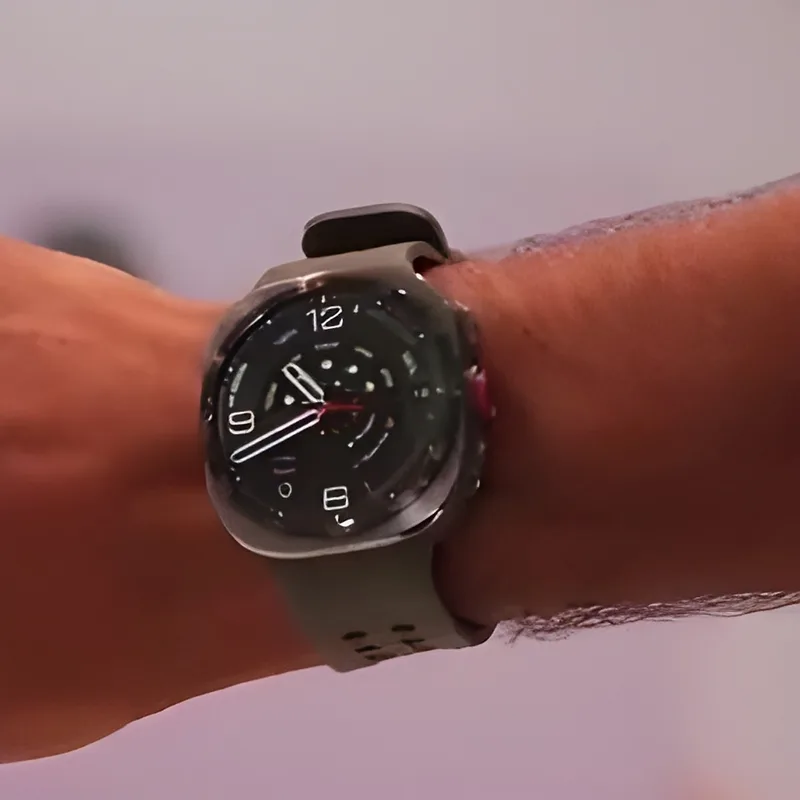
Actually deserves the Ultra name, with a 35% bigger battery and a 5,000-nit display, though the brightness is excessive for most uses.
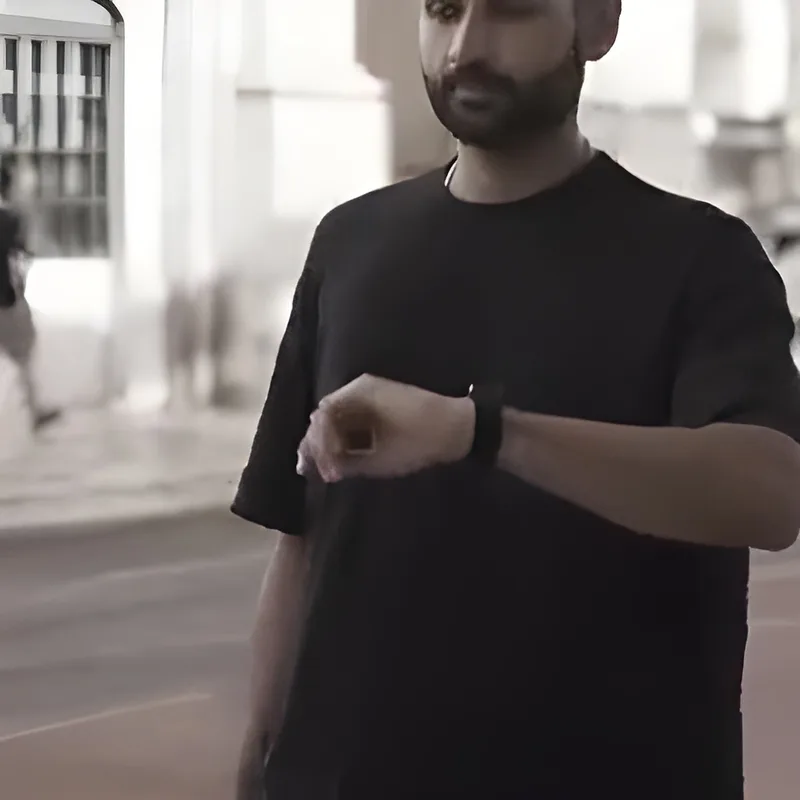
A $10,000 gold smartwatch that quickly became outdated, which he sees as Apple misjudging how smartwatch buyers think.
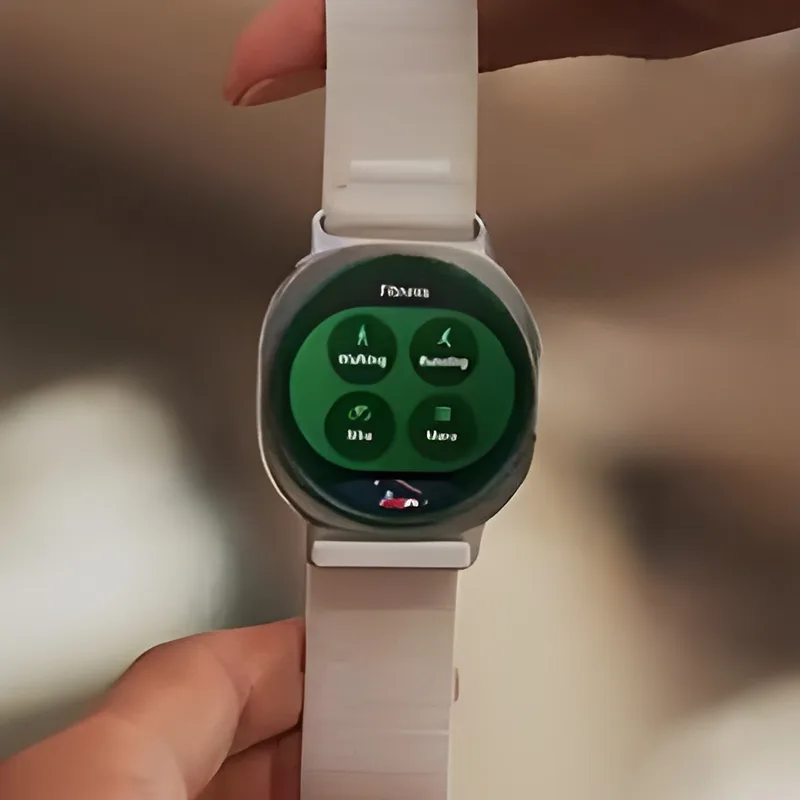
Overstates calories compared with the Apple Watch and syncs unreliably with the Oppo, so it did not work out.
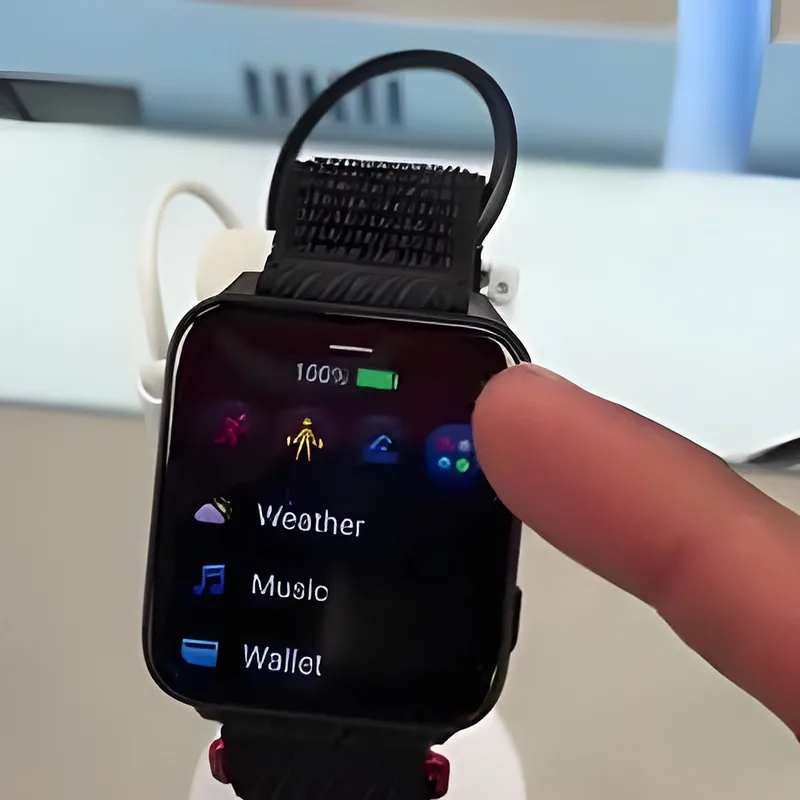
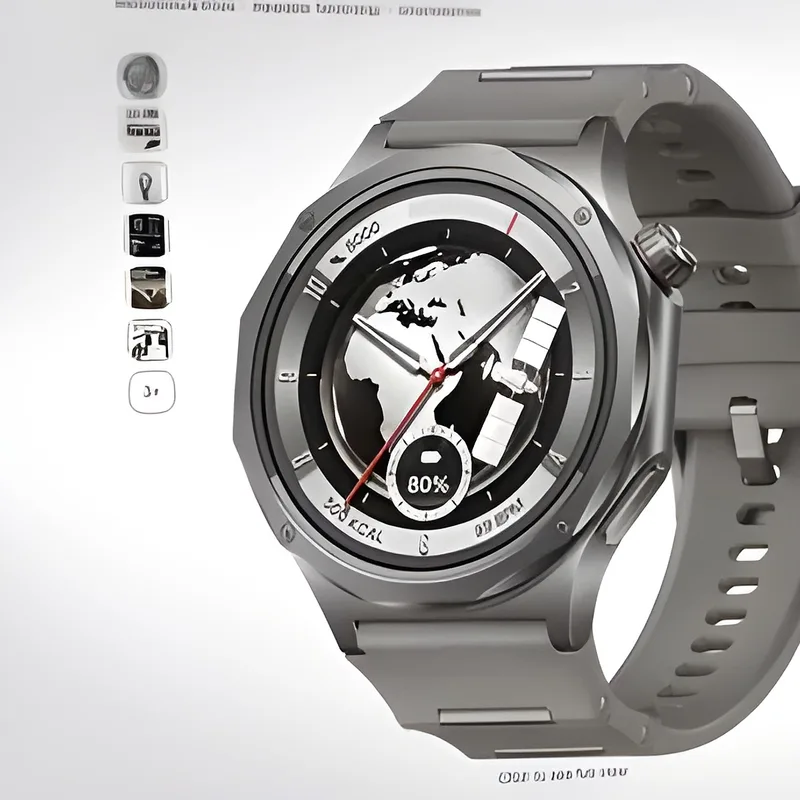
Ruled out because almost nobody uses it, so third-party fitness app and gym support is doubtful.
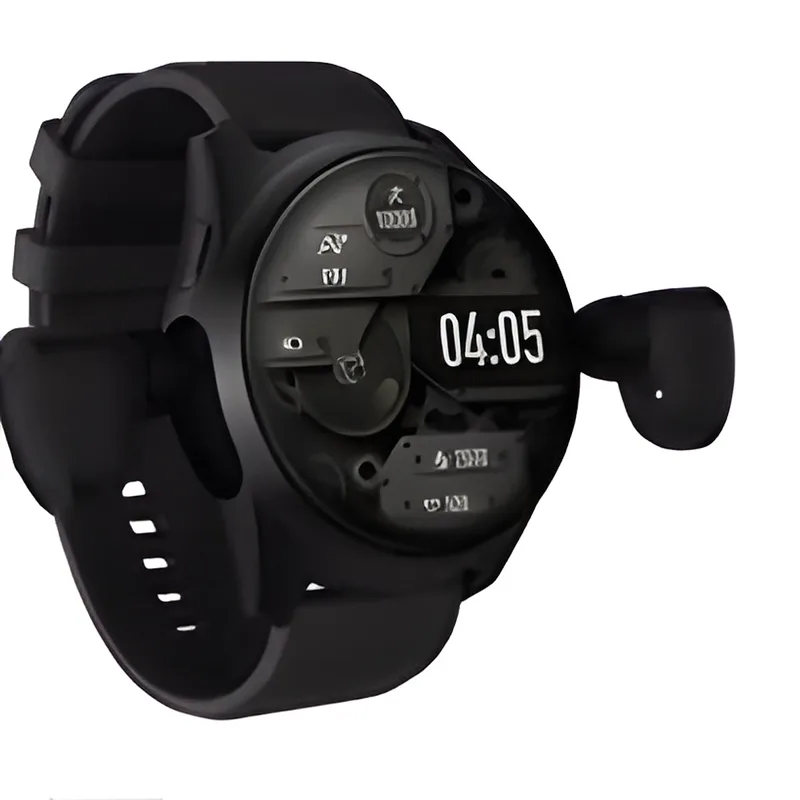
Claimed as designed in India, but appears to be a Chinese AI Power product co-developed with that firm.
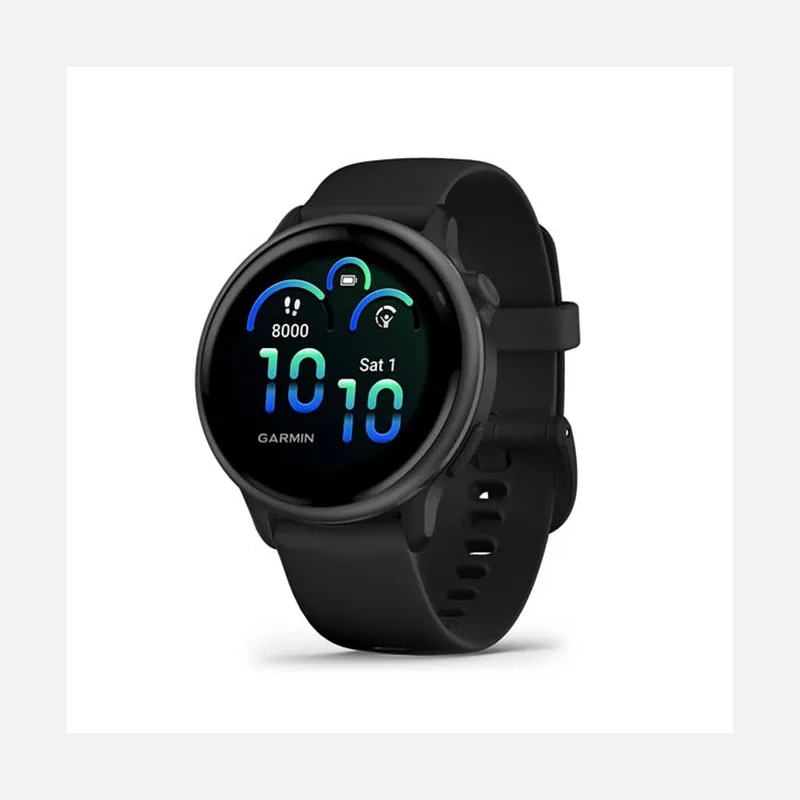
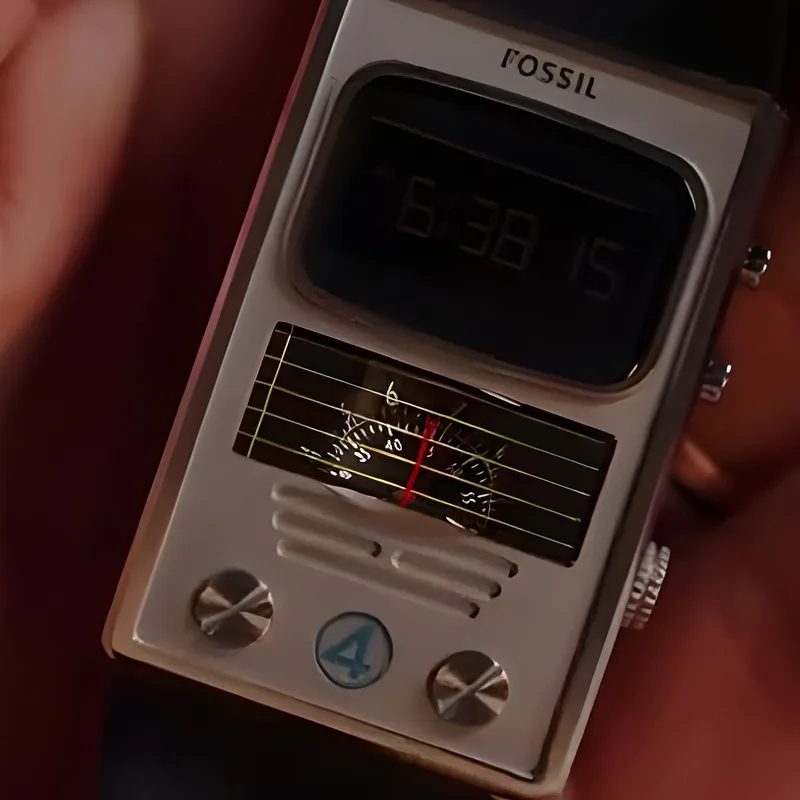
Nails the retro-future look and uses good materials, but lacks a backlight and is hard to wear, so it gets a C tier.
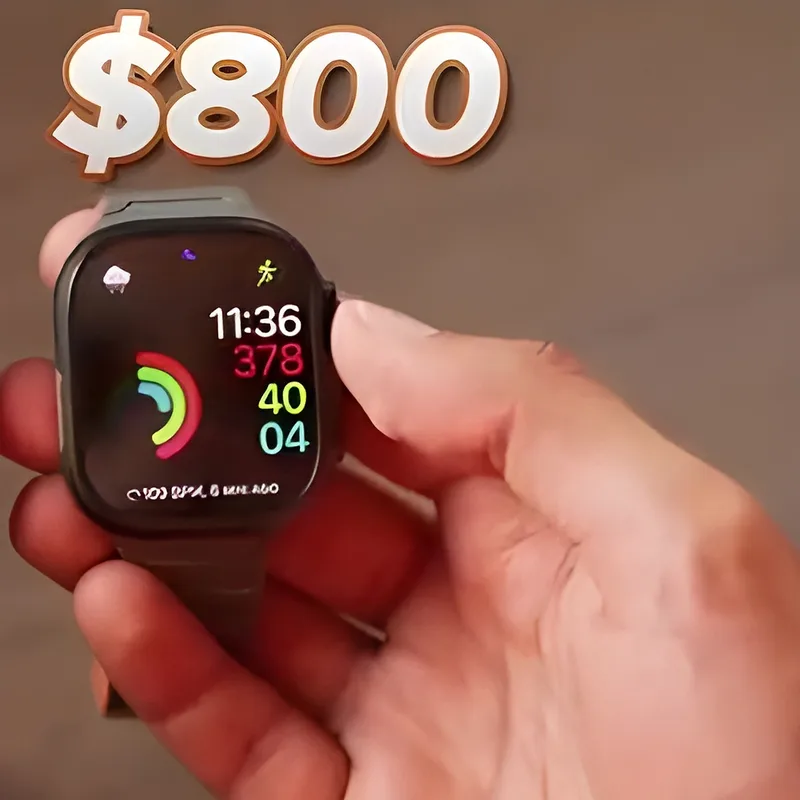
A far more capable smartwatch than the Smart Band 10, but with much shorter battery life and less comfort for sleep.
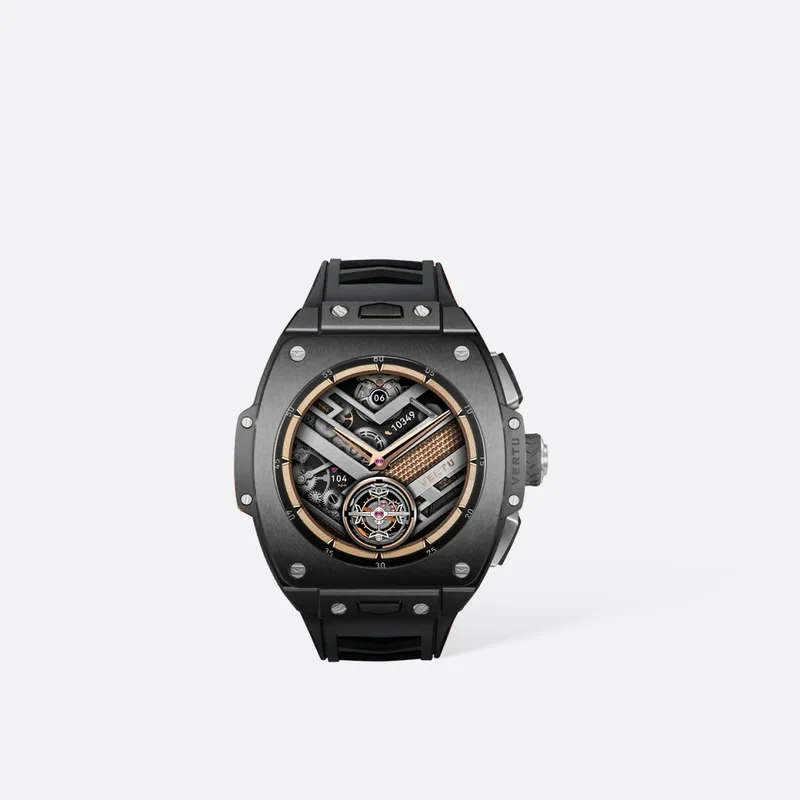
Weighty and luxurious in feel, but the low-resolution display and unreliable crown make it disappointing at $4,300.
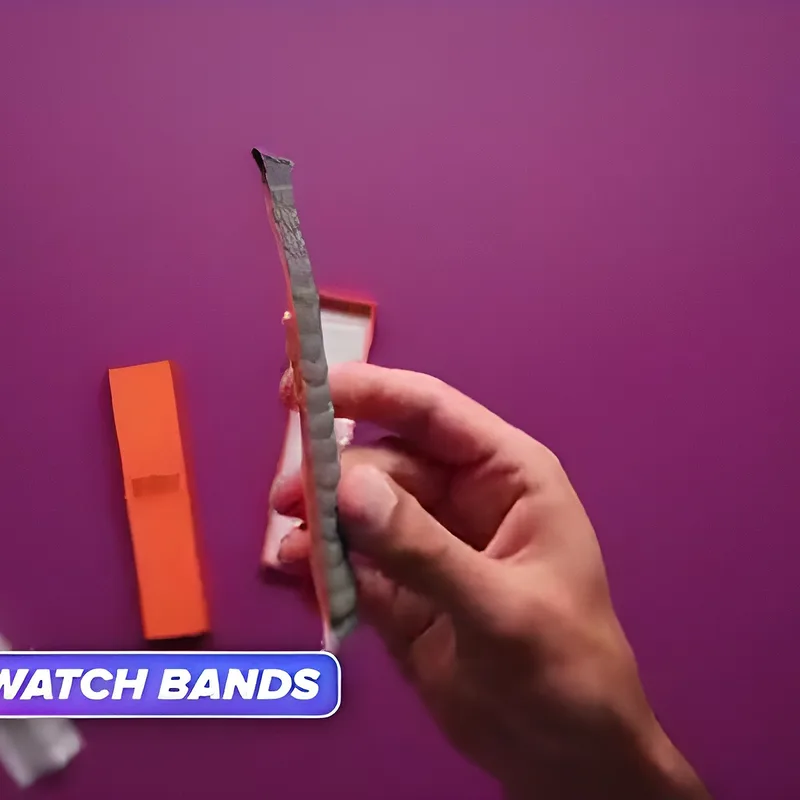
A magnetic band that is a step up from his $1 band and cheaper than Apple's.

Great unboxing and a titanium body, but the watch faces are odd and it offers little over the normal Series 11 for four times the price.
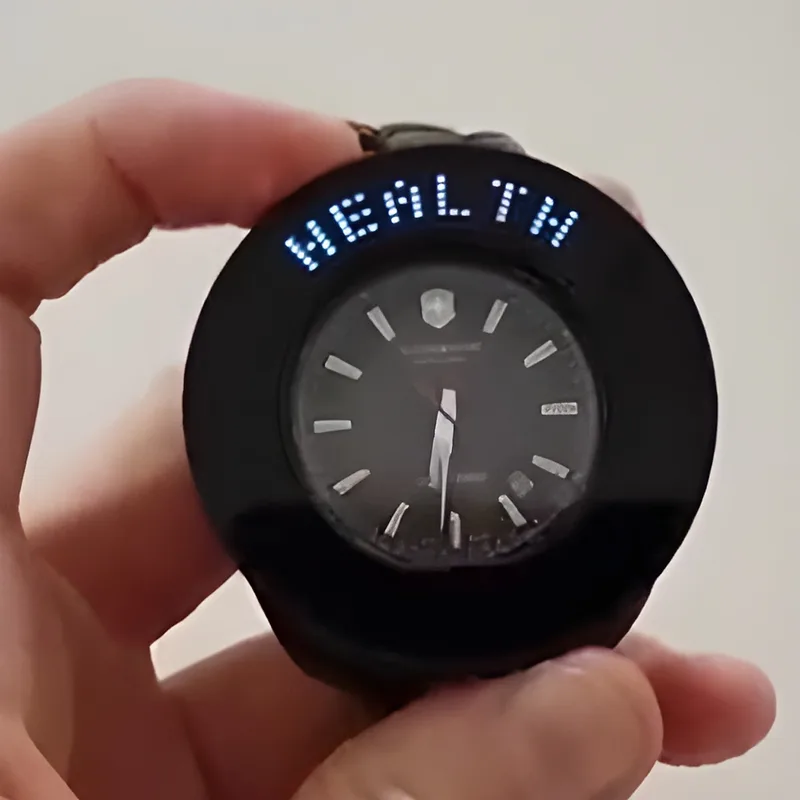
A clumsy plastic add-on that covered a luxury watch with a tiny, non-touch display and sold almost nothing.
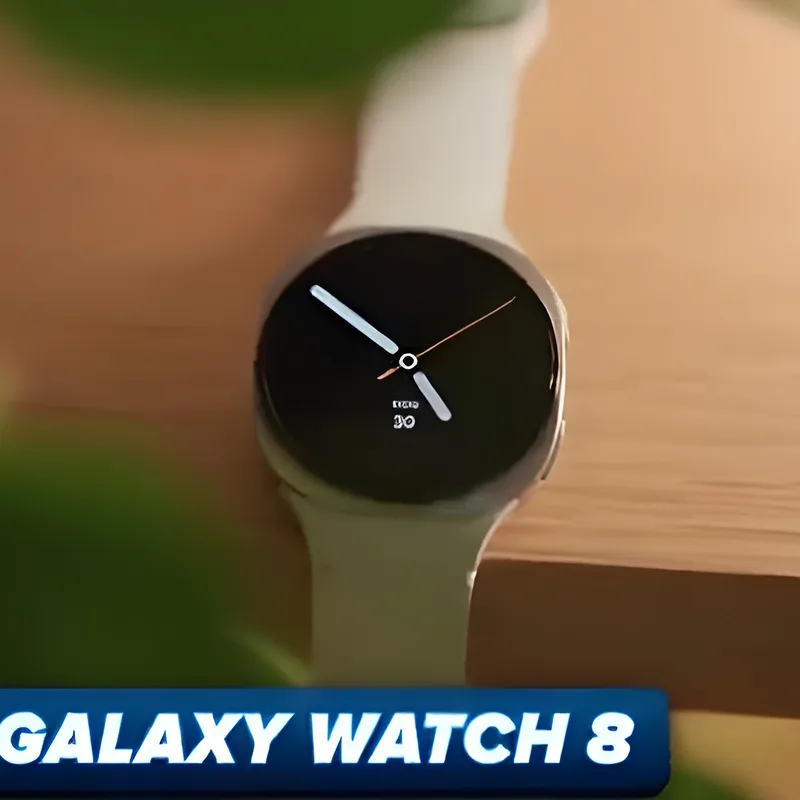
The squared-off design looks odd to him, but it is the most impressed he has been by a Galaxy Watch thanks to real upgrades and useful heal…
A very minor update that makes little sense now that the Watch 8 and 8 Classic have improved so much.
Same as the Watch 8 in a heavier metal case, with a rotating bezel he finds addictively satisfying.
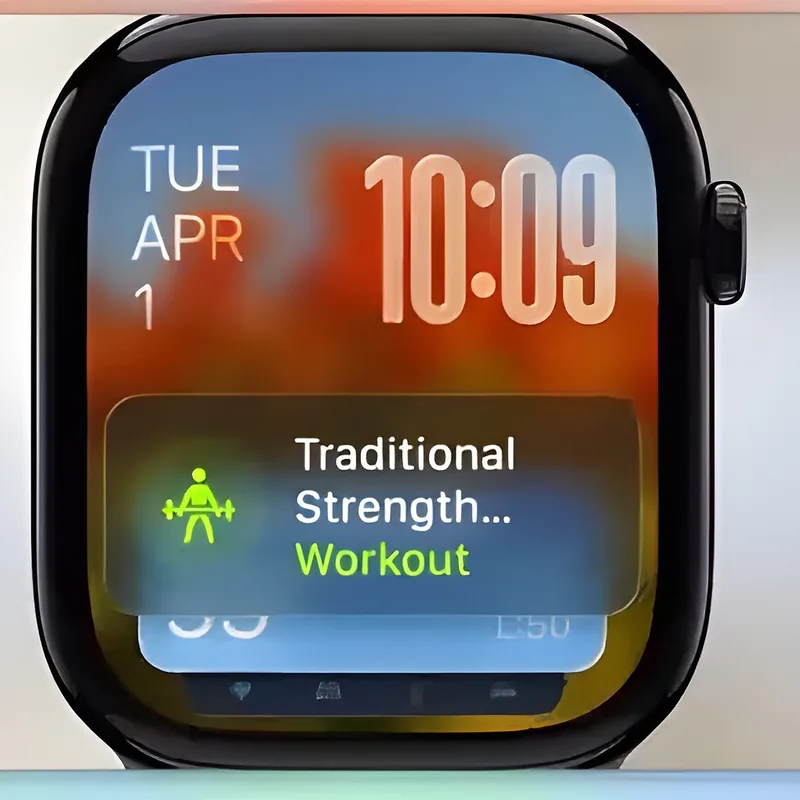
Mostly a design update with underwhelming features, and Workout Buddy was cringeworthy, so 4 out of 10.
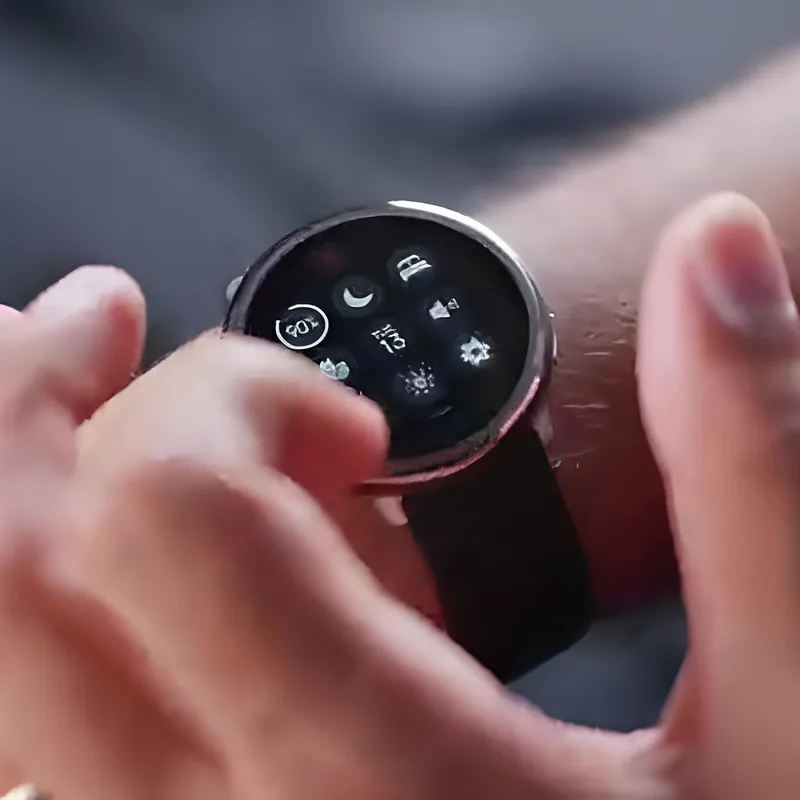
A surprisingly polished budget smartwatch with a great screen and 7-day battery, which he thinks beats Fitbit and Xiaomi bands.
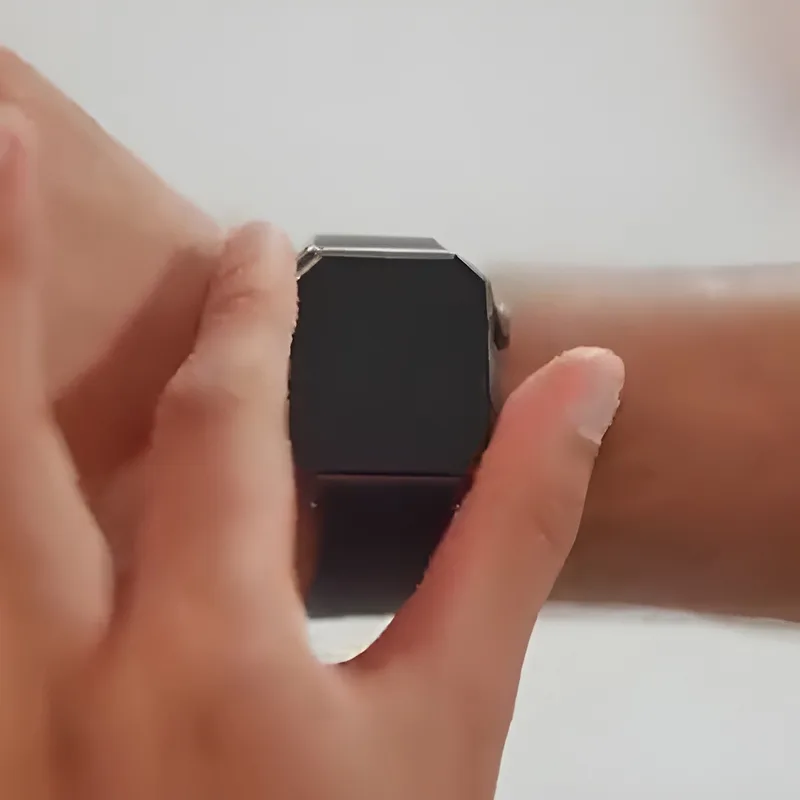
Nicely designed hardware, but the health tracking is wildly inaccurate and the software is rough, so not this time.
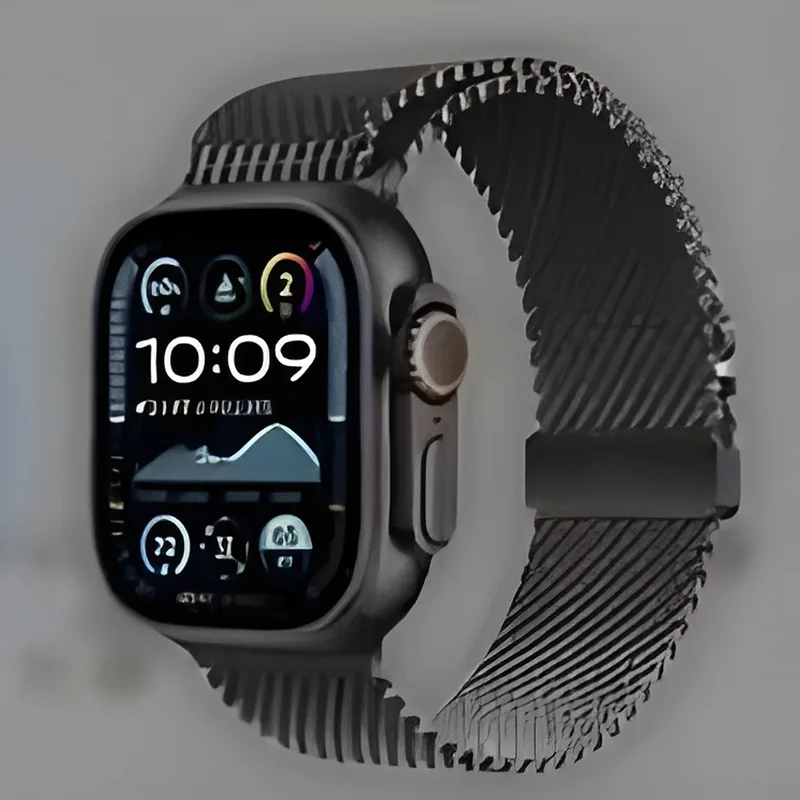
Used as the benchmark for durability; its back shattered while the case-protected watch survived better.
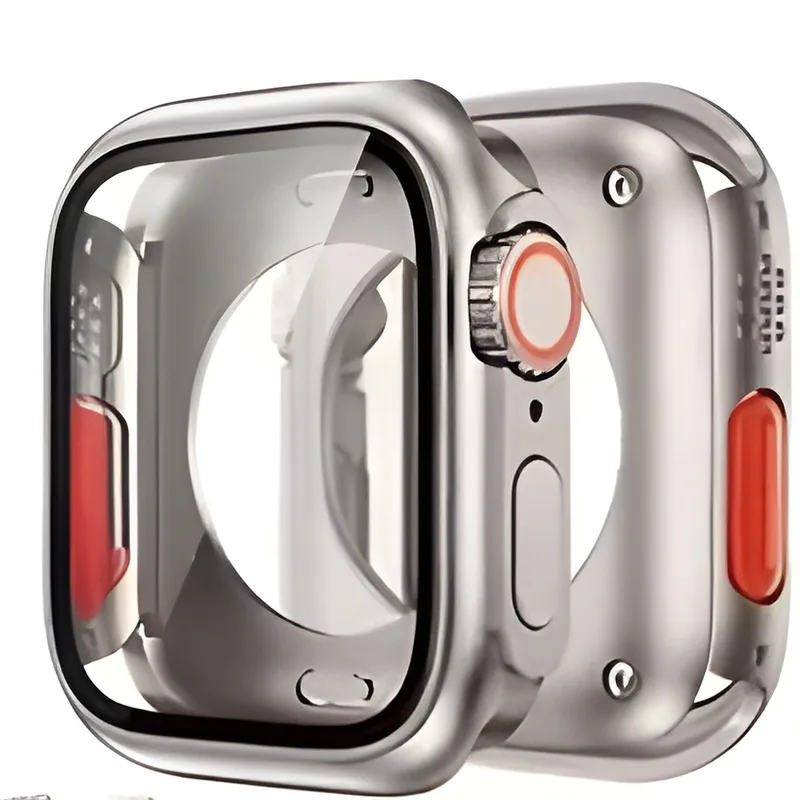
A $2 plastic case that gave some protection in tests but was only average, so trash.
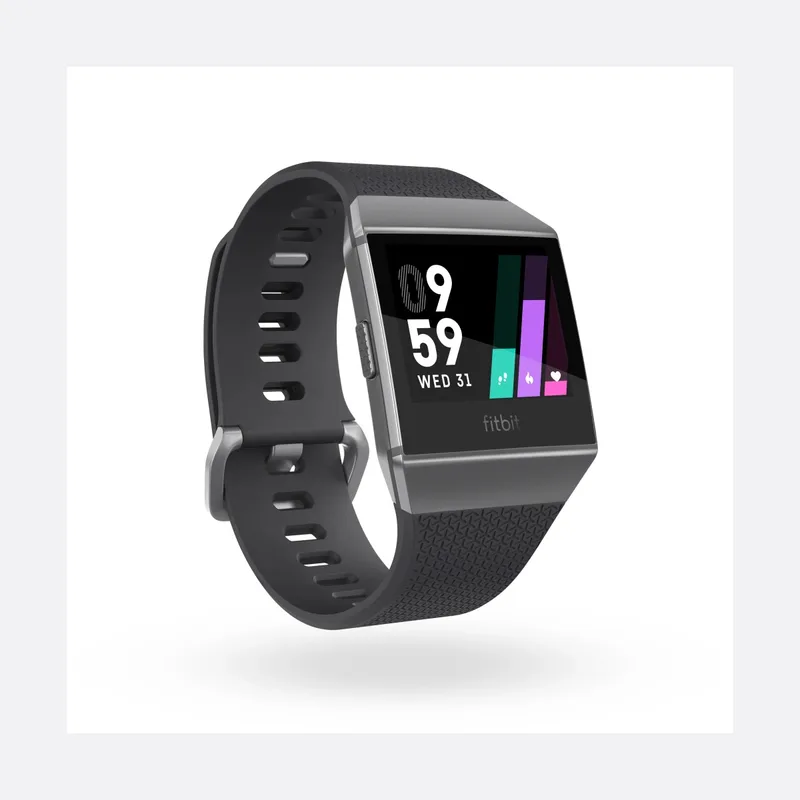
Overheated and burned users, and Fitbit was slow to recall it, ending in a $12.25 million fine.