
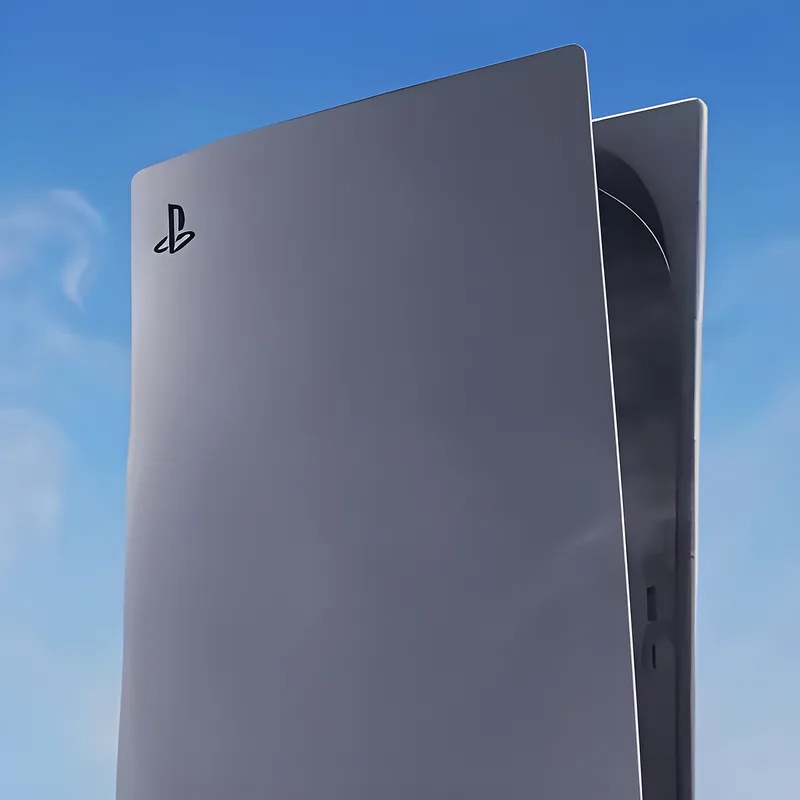
I'd buy it
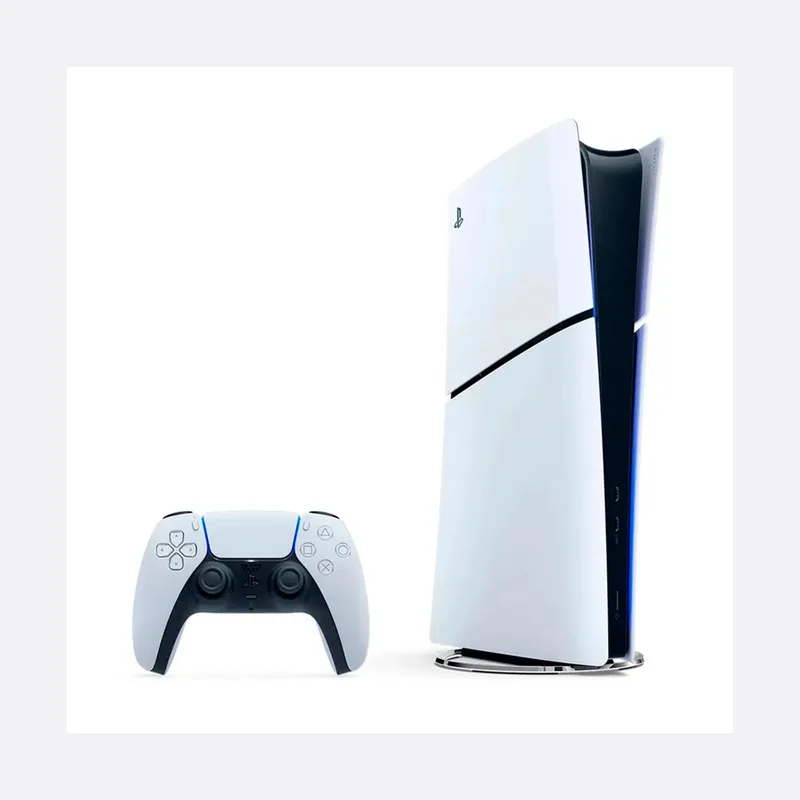
Sony PlayStation 5Far ahead of the PS4, with a custom SSD that cuts loading times and nearly photorealistic graphics.
Sony
Far ahead of the PS4, with a custom SSD that cuts loading times and nearly photorealistic graphics.
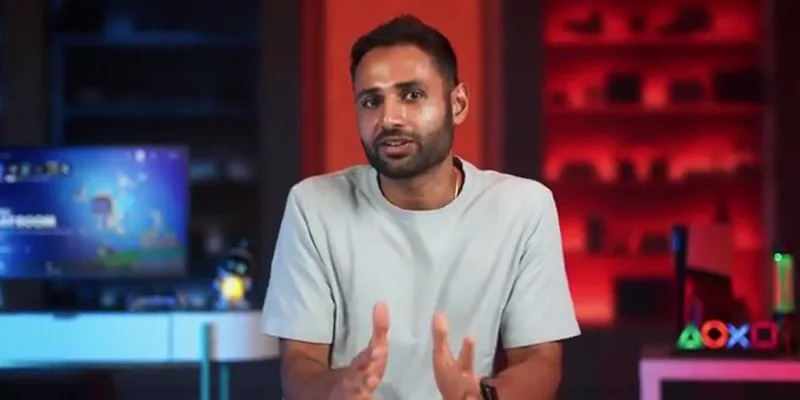
He worries a rumoured $1,000 PS6 would sell too slowly to build momentum.
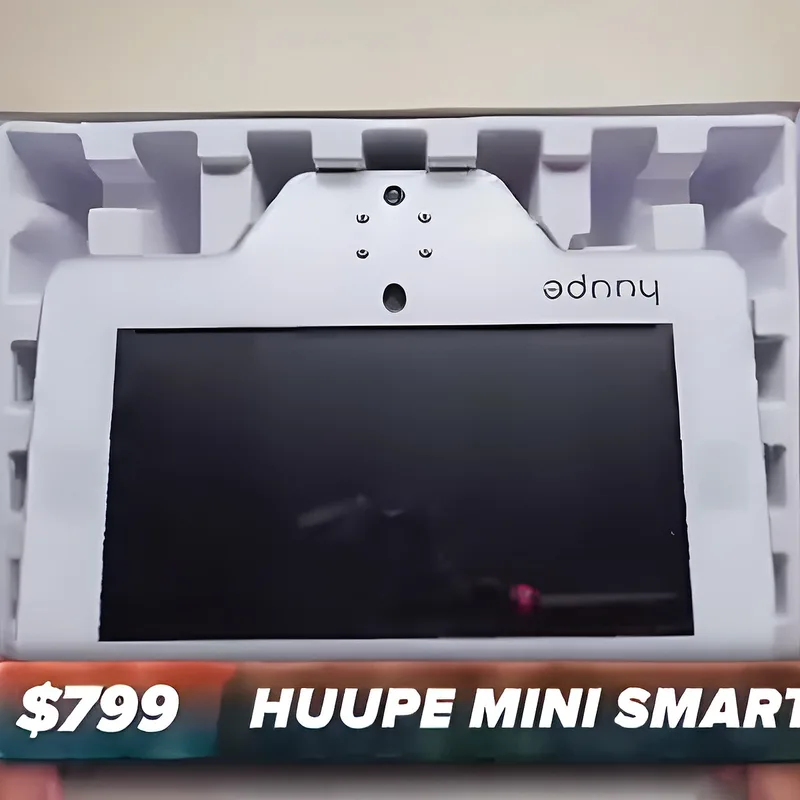
Overpriced, with weak speakers, a poor screen and dodgy sensors; he asks who would want it.
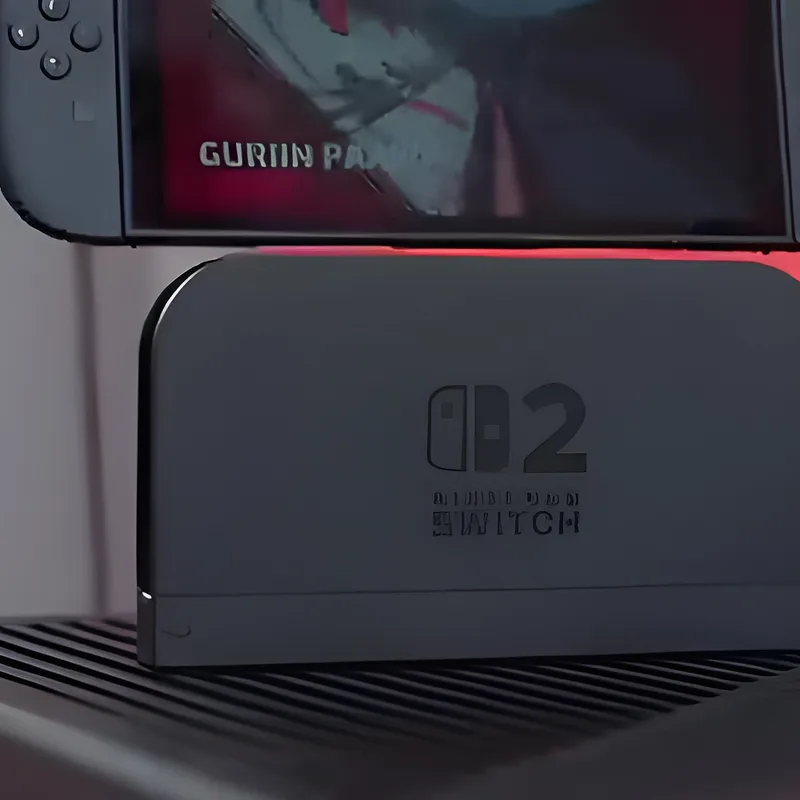
Hard to recommend as a home console, but the best-compromised handheld he has used, with weak battery life.
Better than the Switch 2 for playing on a TV, and cheaper with more storage and entertainment features.
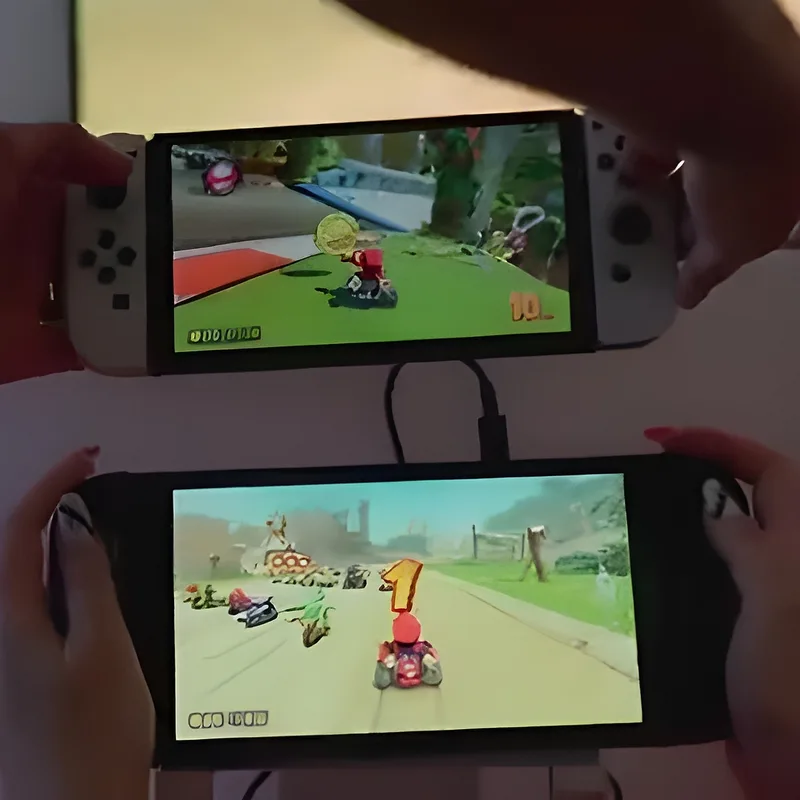
Less powerful and with weaker controls, but lighter, more comfortable, far better on battery and brilliant for multiplayer, so he rates it…
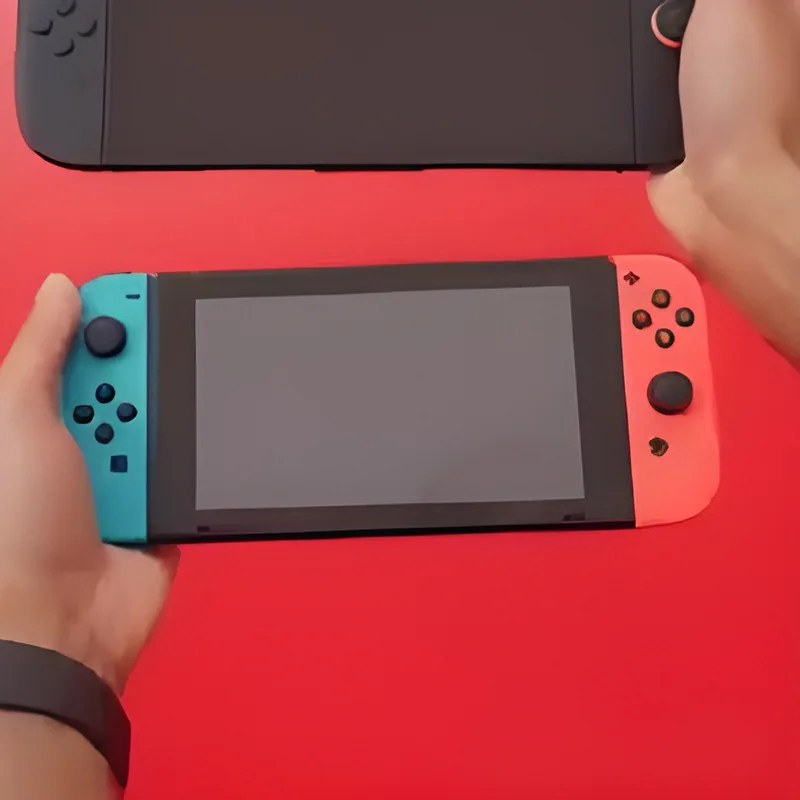
The original Switch is his favourite console, but he sees it as rushed with a dim, washed-out screen and janky build.
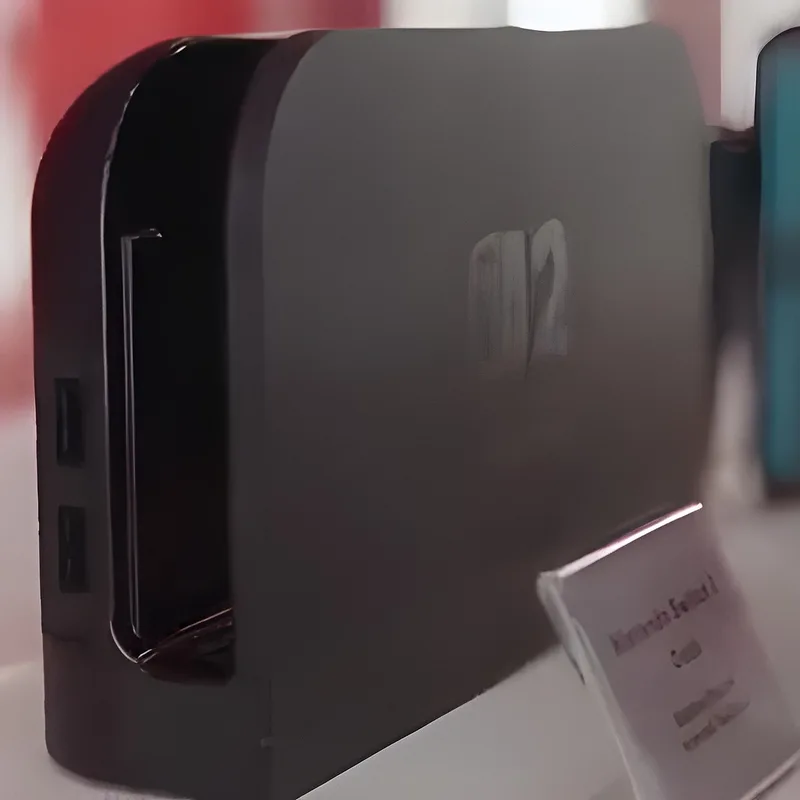
The redesigned dock is curved, has a guided fit and a fan that allows up to 4K output on a TV.
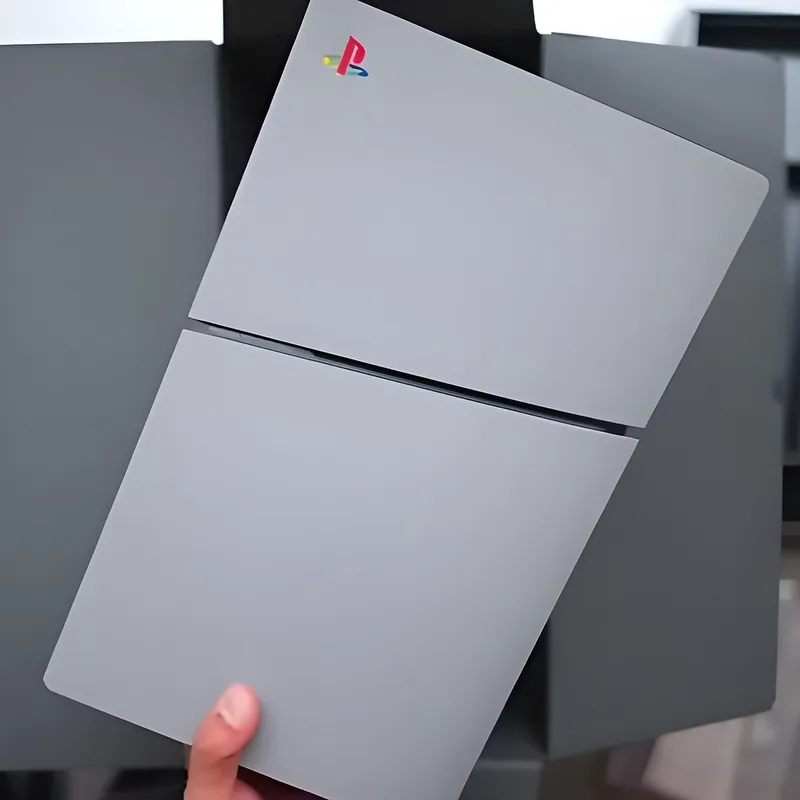
Phenomenal unboxing and nostalgic design, though just simple reskins with little unique software, so A tier.
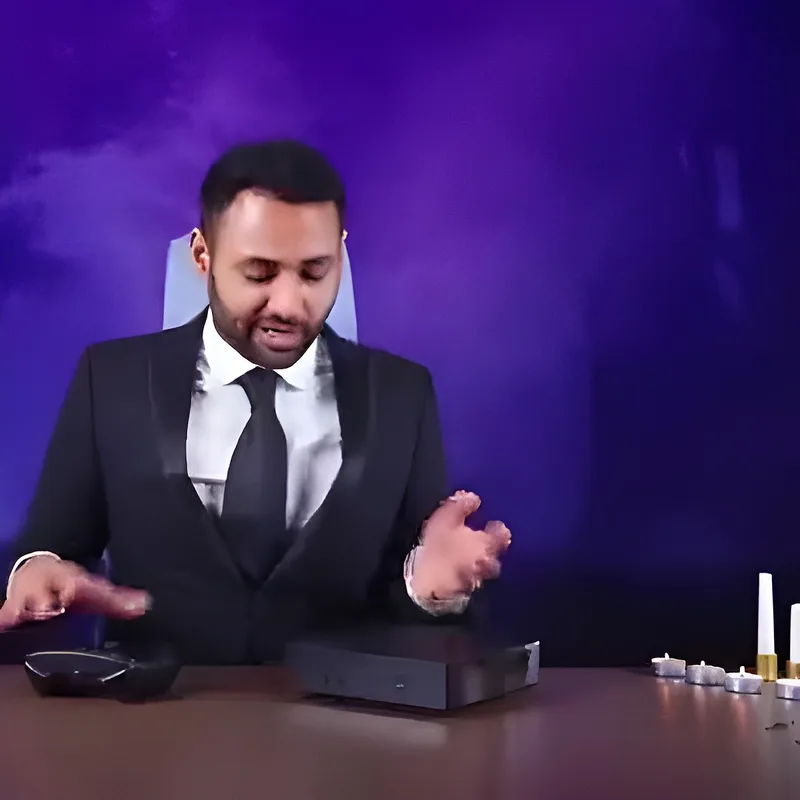
Valve's Linux-based Steam Machines failed because most Windows games would not run on them, though the failure paved the way for the Steam…
Hyped for Halo and split-screen co-op, but weak exclusives left it as a glorified media player in his basement.
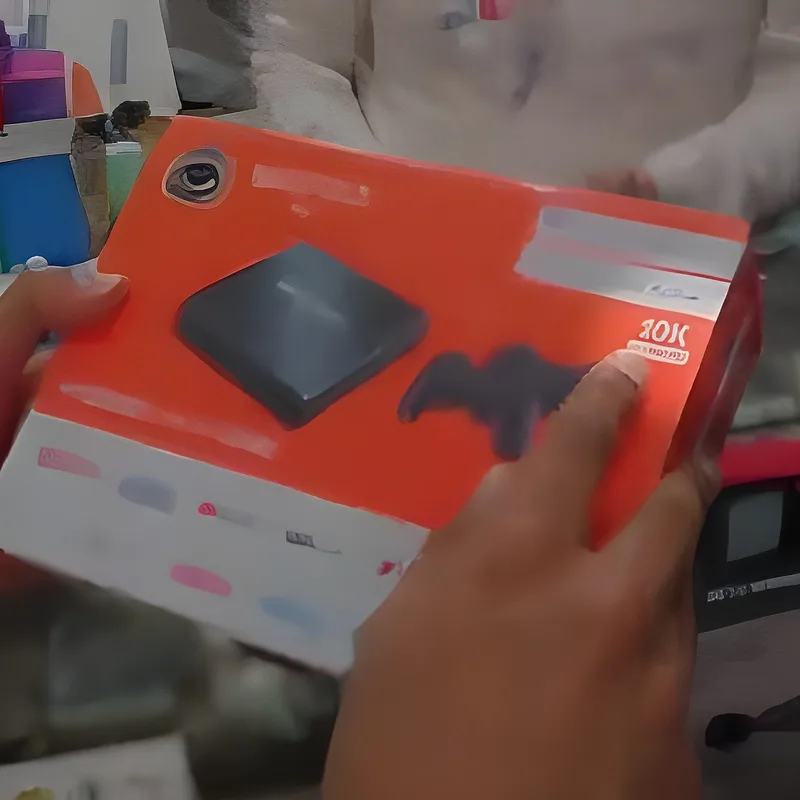
Promises 10,000 games but arrived with no games on it, so he could not rate it.
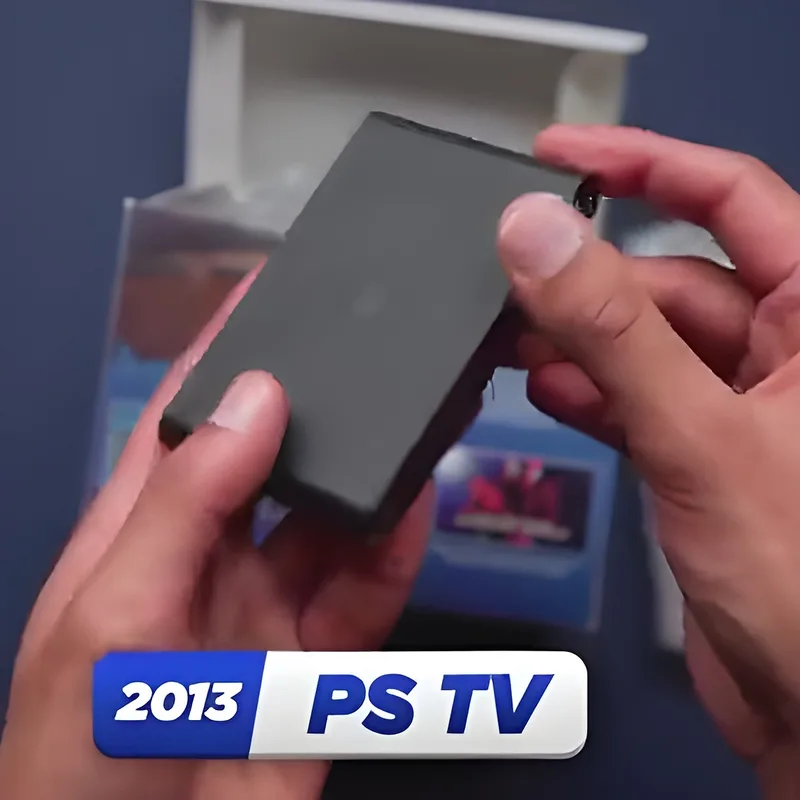
The weirdest revision, a Vita without screen or controls whose use he could not work out, though it is cheap.
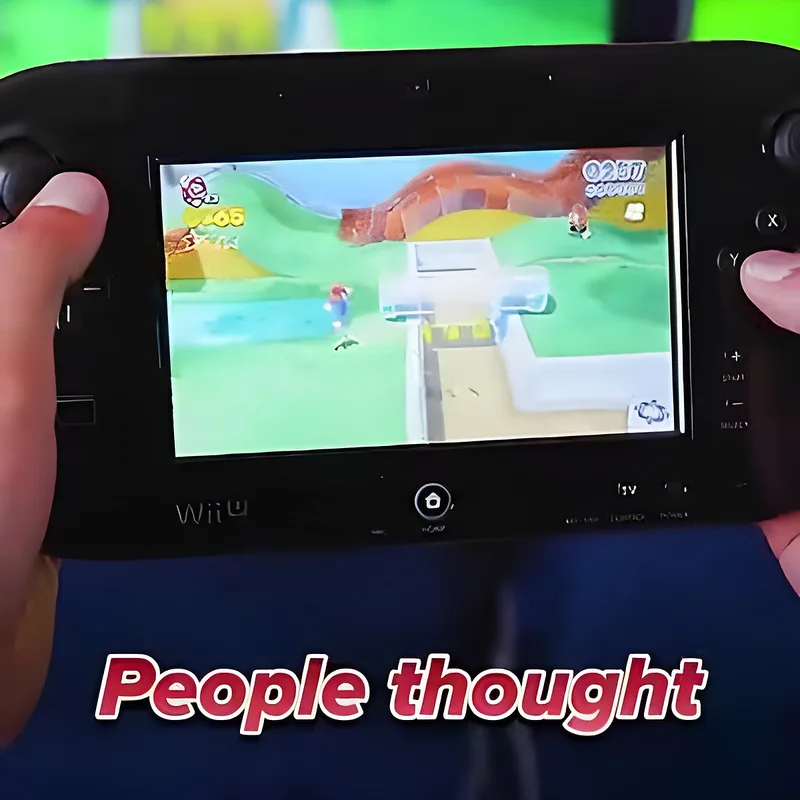
An okay idea executed badly with a confusing name, scored 5 out of 10 as a colossal flop.
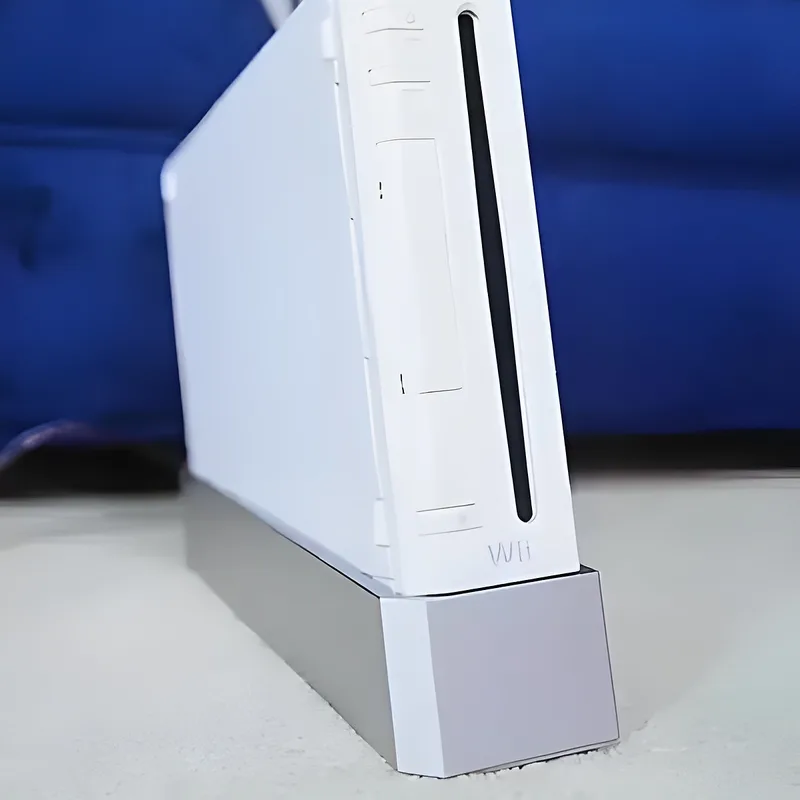
Not powerful, but its simple design and motion controls brought casual players in and made it Nintendo's big success.
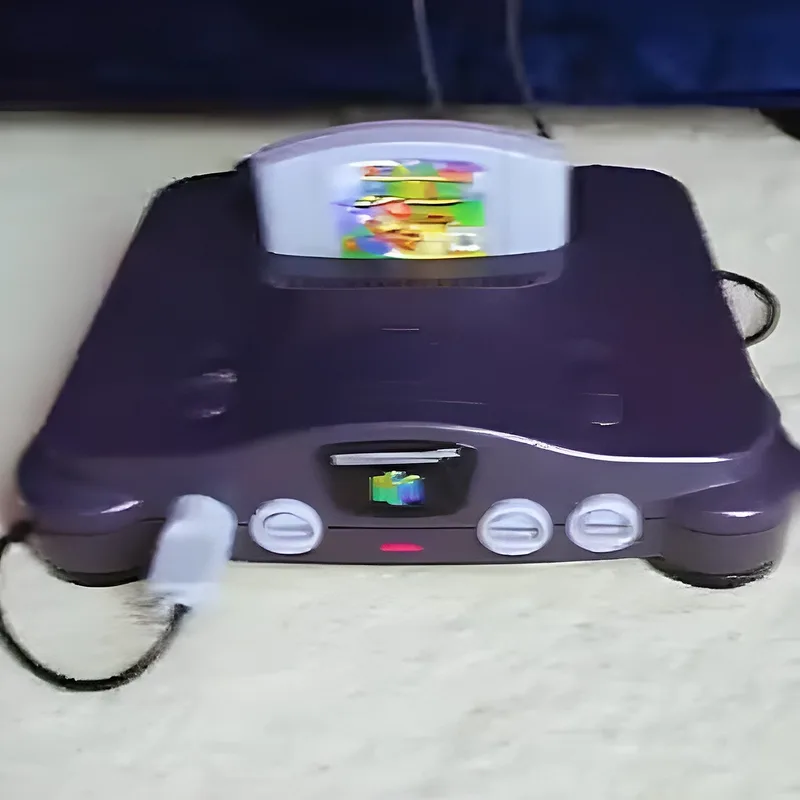
A wacky but groundbreaking console whose analog stick and Mario 64 defined 3D gaming.
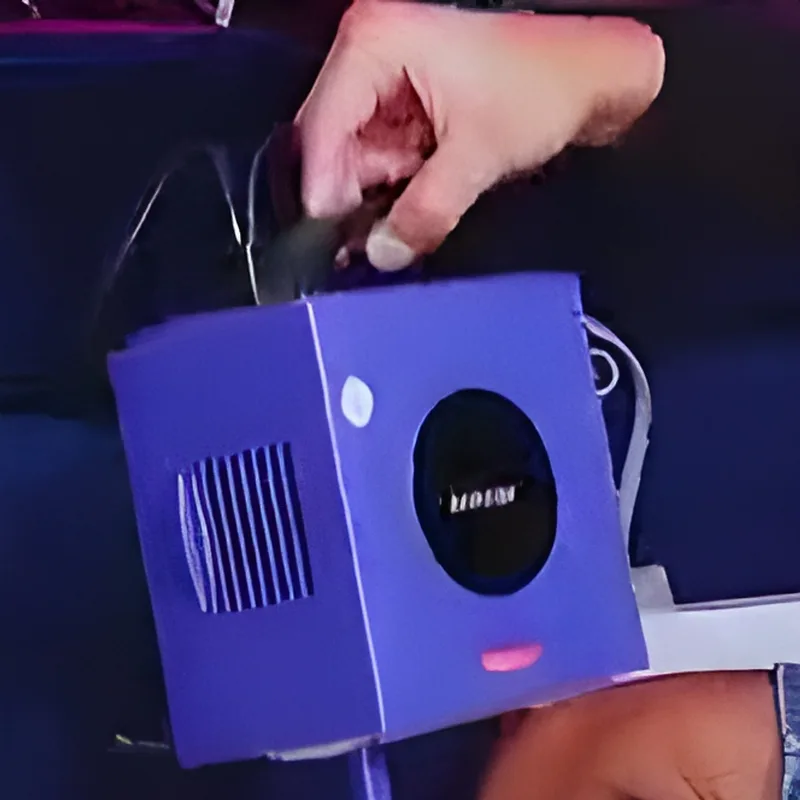
A dense, powerful and quirky console with a great controller, undone by competition from the PS2.
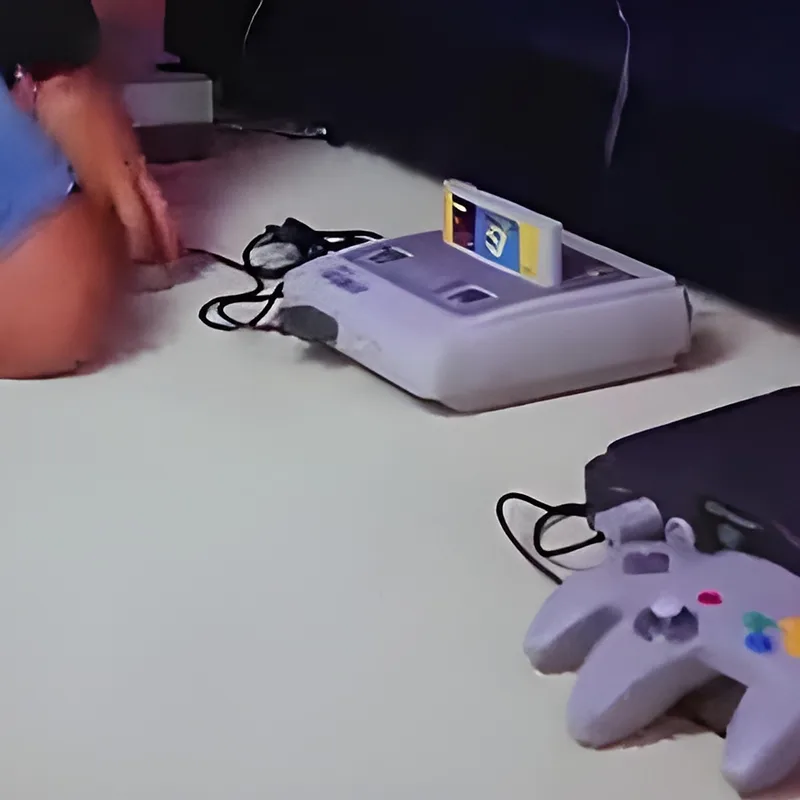
Described as a big leap over the NES, with a clear jump in game quality.
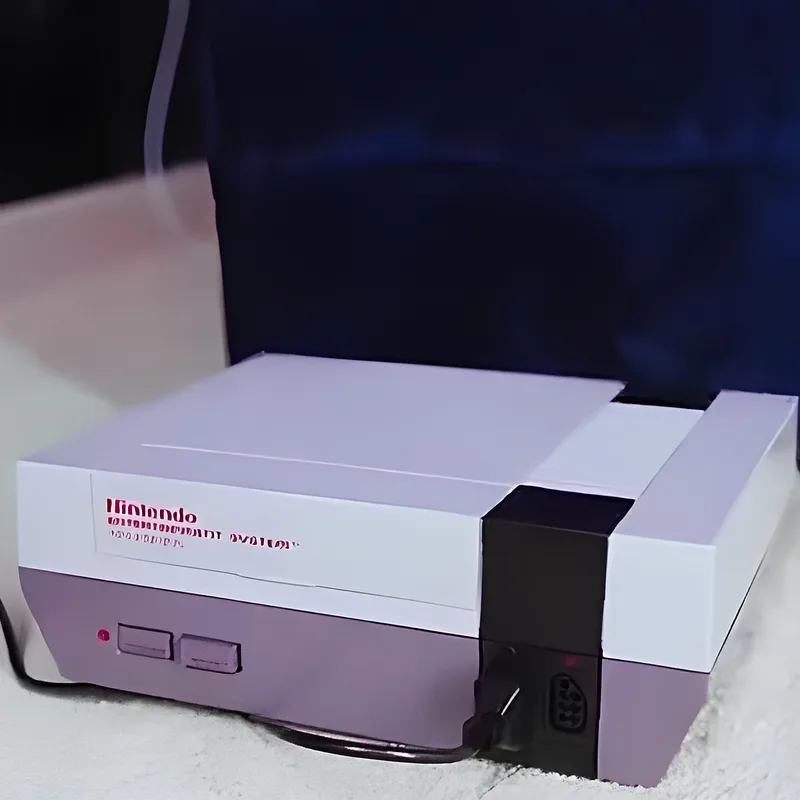
Credited as the console that launched the first Zelda and Mario games.
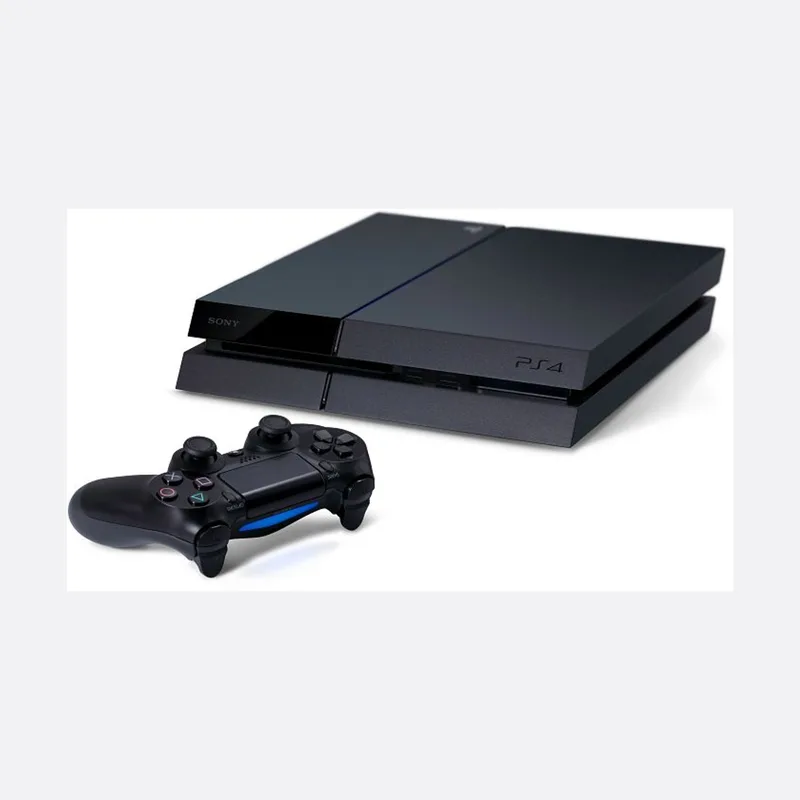
Sony's most refined console to that point, with 4K support and a better controller, but noisy fans.
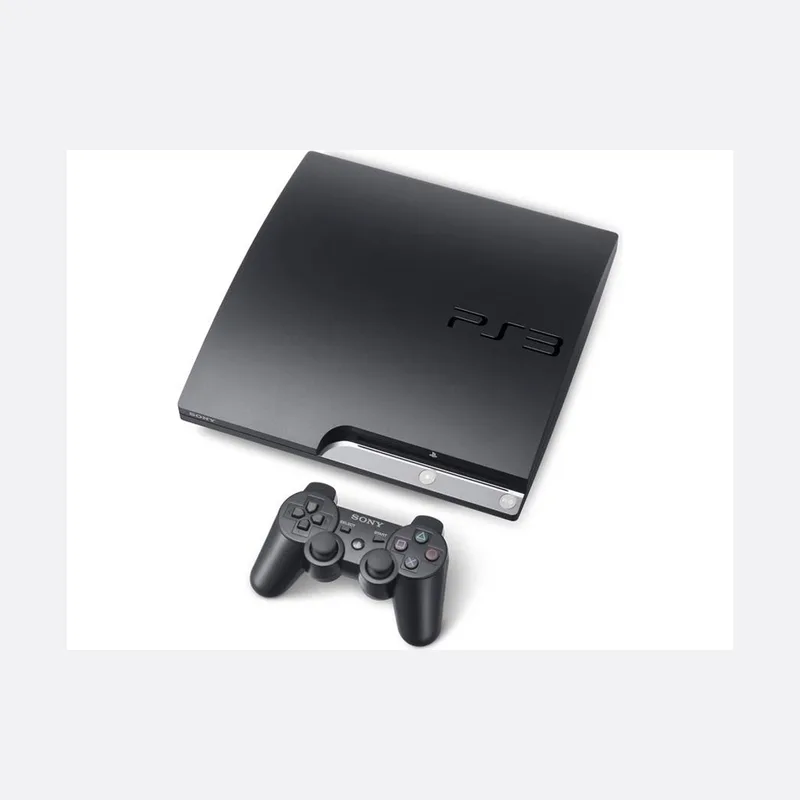
The first proper high definition PlayStation, powered by a custom Cell processor, though very expensive.
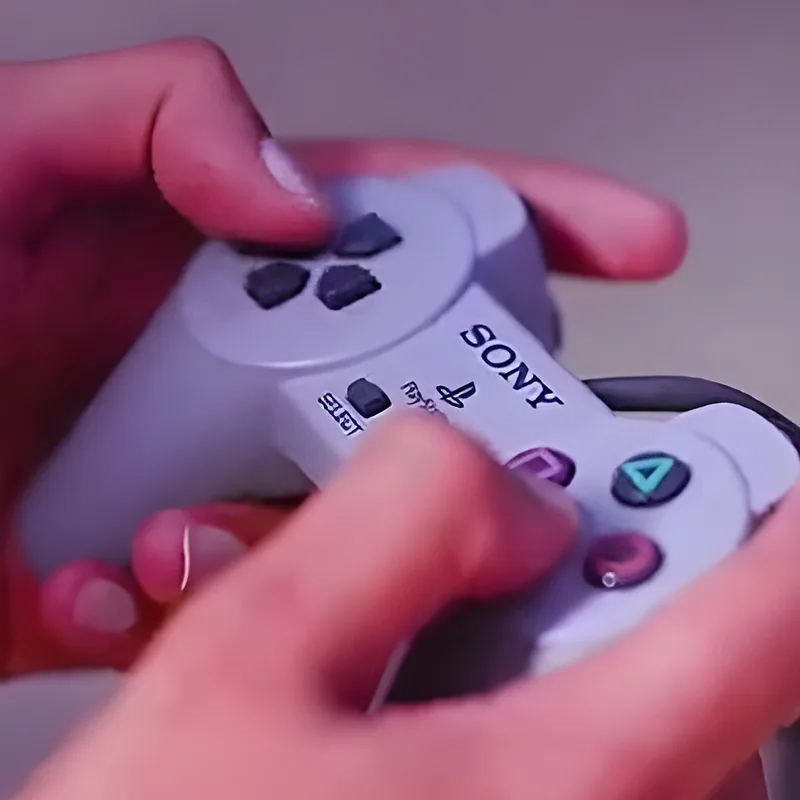
Groundbreaking 3D graphics and a satisfying clicky feel made it the most powerful console of its day.
A big step up from the PS1, with analog sticks and far more power that removed the blocky look.
A beautifully finished custom Switch that he felt was closer to art than a cheap 3D-printed job.