
I'd buy it
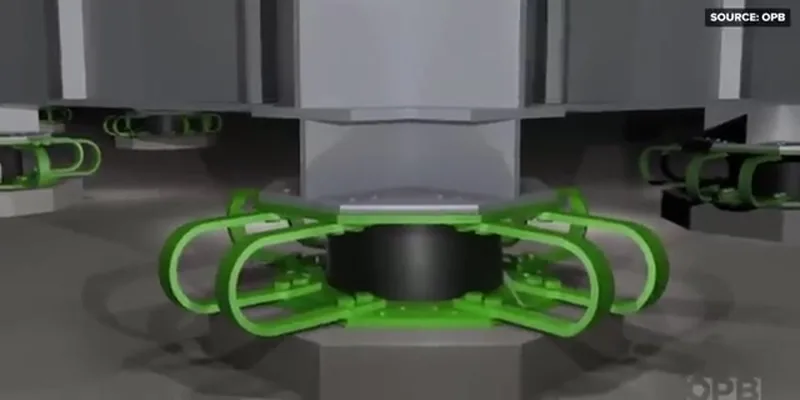
Seismic IsolatorSays Japan's isolation layer lets buildings move with the quake and could cut deaths sharply.
Says Japan's isolation layer lets buildings move with the quake and could cut deaths sharply.

Describes a fast external fire-resistant elevator for evacuating tall buildings.



Apple sold clothing in 1986, including trucker hats and umbrellas, which was far more than a single t-shirt.

Explains what the play buttons are made of and says he paid $3,700 each for extra Diamond ones, though the material is worth far less.
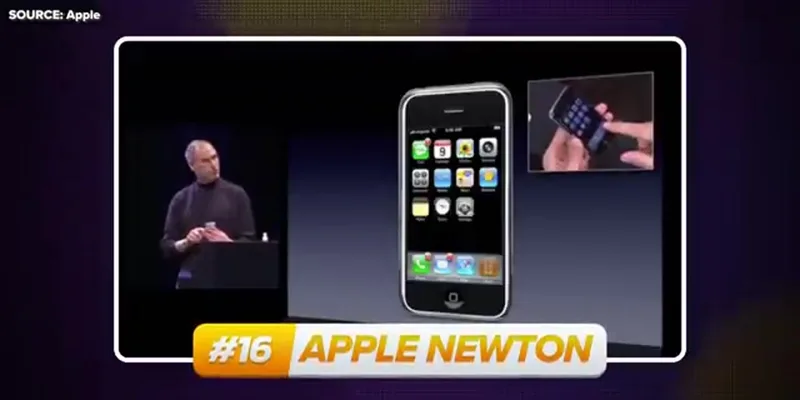
Apple's first smart device arrived about 20 years before handwriting recognition was good enough and cost a fortune, a 3 out of 10 fail.
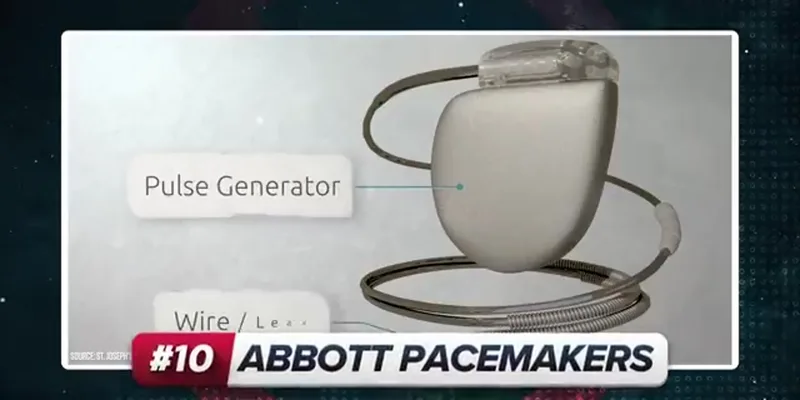
Rated 6 out of 10 fail: radio control with no security meant anyone could hack heartbeats, affecting 465,000 patients.

A fraud that didn't work and gave life-threatening false blood readings, rated a 9 out of 10 fail.

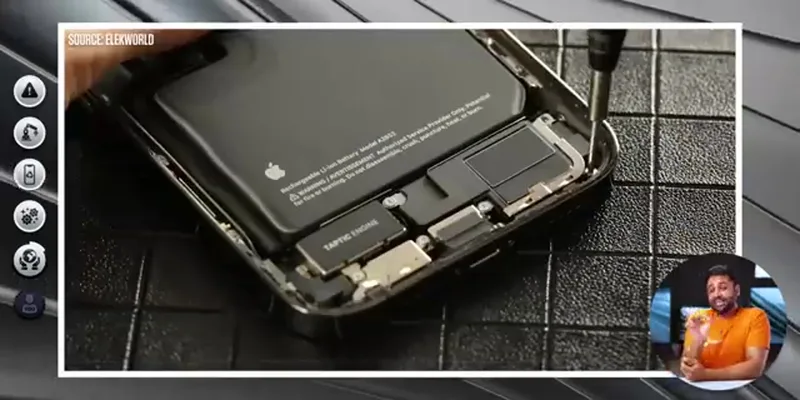
Apple's earlier recycling robot from 2013, which was too slow at the screwing stage and was succeeded by Liam 2.0 and then Daisy.

Impressed by how quickly and precisely Daisy takes apart iPhones, though its capacity is tiny next to Apple's annual sales.


Called insane and scored 6 out of 10 for letting you lift 20 times your strength.

Scored 7 out of 10; two layers of graphene could stop bullets while being practically invisible.


Clothing made from recycled bottles, which he rates lowest on the list at two out of ten.

Pens filled with ink made from captured air pollution, rated eight out of ten.

High-tech floor tiles that turn footsteps into electricity without changing people's behaviour; rated eight out of ten.

Mealworms can digest plastic, and mass-producing their enzyme could solve plastic waste; rated nine out of ten.
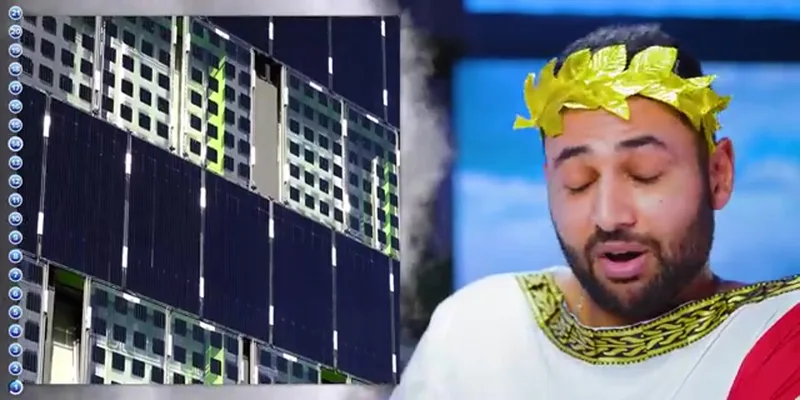
His number-one pick: clear solar glass that could turn every window into a power source.
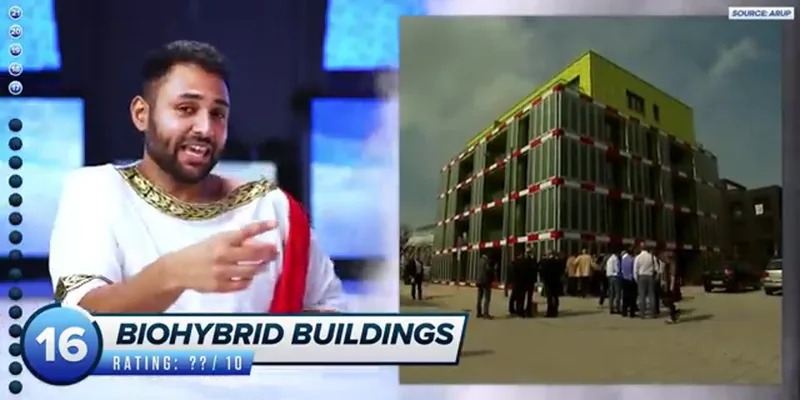
Buildings covered in algae panels that clean the air and generate energy, rated five out of ten.
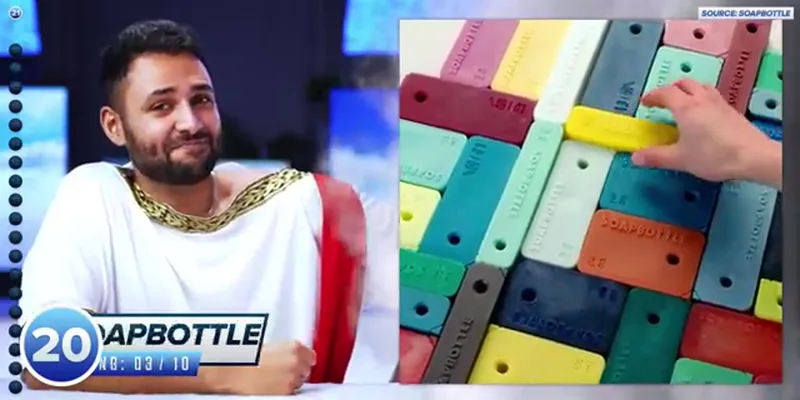
Packaging grown from fungus that breaks down and feeds the soil, rated four out of ten.

Tree-shaped wind turbines that double as tourist attractions and generate power silently.